
- Agronomics
-
Diseases
- Asian Rust
- Anthracnose
- Bacterial Blight
- Bacterial Pustule
- Bean Pod Mottle Virus
- Brown Stem Rot
- Cercospora Leaf Blight
- Charcoal Rot
- Downy Mildew
- Frogeye Leaf Spot
- Green Stem Syndrome
- Iron Deficiency Chlorosis
- Phytophthora Root & Stem Rot
- Powdery Mildew
- Rhizoctonia
- Seedling Diseases
- Septoria (Brown Spot)
- SCN (Soybean Cyst Nematode)
- Soybean Mosaic Virus
- Stem Canker
- Sudden Death Syndrome
- Viruses
- White Mold
- Pests
- Biological Control
- Diagnostic Tools
- About Us
- Library
| Disease: Viruses |


Your soybean checkoff.
Delivering Results.
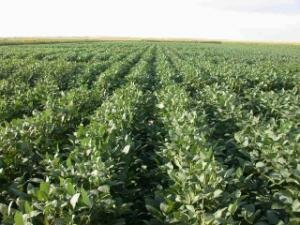 |
| Soybean varieites can differ in their response to soybean viruses.The Illinois Varietal Information Program for Soybeans rates reactions of commercial soybean lines to infection by SMV each year. |
Soybean Viruses - Management
There are no specific recommendations available yet for consistent, effective management of soybean virus diseases. Strategies that can have some impact on limiting losses due to virus infection, depending on the virus or viruses involved, may include:
- soybean variety selection
- planting virus-free seed
- control of insect vectors
- crop management plans to avoid periods of peak insect activity
Soybean variety selection
The most effective strategy to limit losses from virus diseases is to select soybean varieties that are resistant to or tolerant of virus infection. It is known that soybean lines and varieties currently grown in the north differ in their response to SMV and other viruses, and that some varieties have significant tolerance to certain viruses. Progress in quantifying this field tolerance has been made, although information on specific varieties is not always available. The development of new virus-resistant or tolerant varieties is an active area of soybean research and plant breeding.
For BPMV, resistance genes are not known to exist in cultivated soybean, but have been found in closely related species. Some currently available commercial cultivars have been shown to have tolerance to BPMV infection, in that they yield consistently better in the presence of BPMV than other varieties. Some resistance has also been found in germplasm and breeding lines.
Genes for resistance to infection by AMV, SMV, and TSV have been identified in soybean. Three resistance genes have been identified in soybean germplasm lines to SMV, although these genes are not widely used in northern soybean cultivars. The Illinois Varietal Information Program for Soybeans rates reactions of commercial soybean lines to infection by SMV each year and posts the results on their website.
Vector control
Many studies have shown that insecticidal control of vector insects reduces the amount of feeding by insect vectors, but does not provide consistent reduction in the incidence of virus infections. In the case of the soybean aphid transmitting SMV, foliar applications of a pyrethroid or organophosphate timed to suppress soybean aphid populations still does not eliminate the potential impact of the numerous aphid species immigrating into the soybean field, including spring migrants of the soybean aphid, from transmitting the virus.
In the case of BPMV prevention, current recommentations are to consider early-season insecticide treatments only if BPMV has been confirmed in your fields in previous years and bean leaf beetles are present.
Accurate diagnosis is important
Symptoms of virus diseases look similar. But because of the specific plant-insect-virus relationships involved, effective management requires accurate knowledge of which virus (or viruses) are causing the most prevalent virus problem. Most diagnostic clinics in the North Central region can perform serological diagnostic tests if a virus infection is suspected. Send in green, symptomatic leaves.
References
Identification of field tolerance to Bean pod mottle and Soybean mosaic viruses in soybean. Hill, J. H., Koval, N. C., Gaska, J. M., and Grau, C. R. 2007.Crop Science. 47:212 (pdf)
Pedersen, P., Grau, C., Cullen, E., Koval, N., and Hill, J. H. 2007. Potential for integrated management
of soybean virus disease. Plant Disease 91: (pdf).
Revisiting an integrated approach to bean leaf beetle and bean pod mottle virus management
Iowa State University, Integrated Crop Management Newsletter
Illinois Varietal Information Program for Soybeans